A calm, plain language overview written for readers over 50.
See the Calm Brain Clarity Guide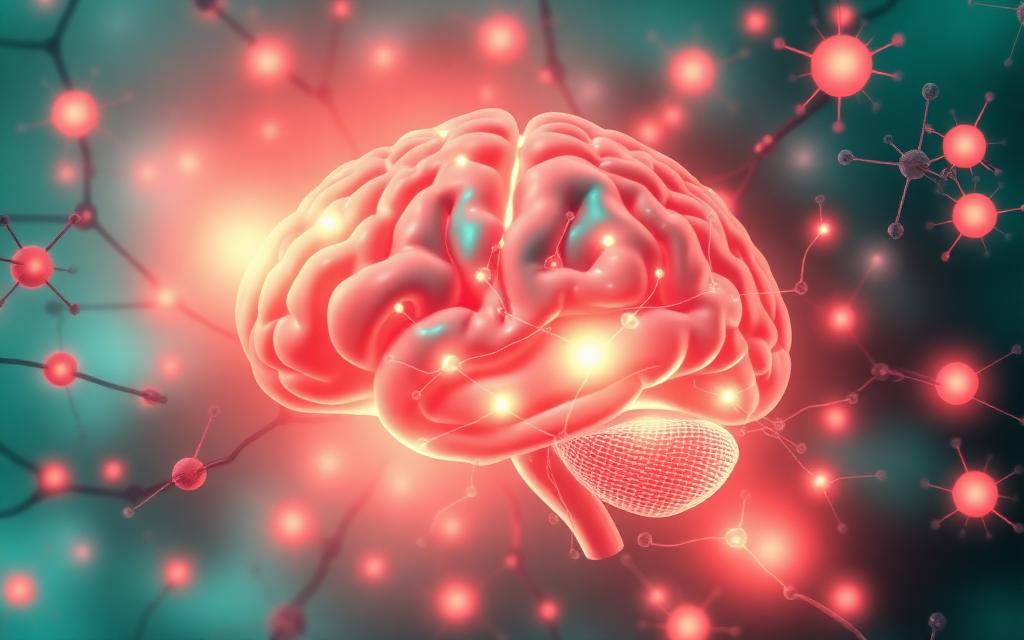
Inflammation is the body's repair signal. Short bursts of inflammation are useful and protective. Long, low grade inflammation that lingers in the background is a different story. Researchers studying brain aging continue to highlight a quiet relationship between persistent inflammation and how well memory circuits perform. People in their fifties, sixties, and seventies often notice this first as slower recall rather than dramatic memory loss.
Memory is not a single drawer in the brain. It is a dance between attention, encoding, storage, and retrieval. Each step relies on healthy communication between brain cells. When inflammation is loud, that communication can become slower or noisier, almost like trying to listen for a name across a crowded room. The information is there. Reaching it just takes longer.
Forgetting why you walked into a room. Pausing mid sentence to find a familiar word. Needing a moment to recall a phone number you used to remember instantly. These small moments add up and can feel discouraging. Most of the time, they are not a sign of disease. They are often a sign that the brain is working through extra background noise.
After age 50, the body becomes more sensitive to small signals. Sleep is lighter. Recovery from stress takes longer. Subtle inflammation that would have caused no symptoms at 30 may show up as foggy mornings or slower recall at 60. The good news is that this same sensitivity makes your brain very responsive to gentle, consistent care.
Memory does not stand alone. It is closely linked with energy and pain. Read more on why chronic fatigue feels like brain fog and why pain makes thinking harder. The whole picture matters.
Hydration, gentle daily movement, restorative sleep, and meals that feature colorful plants are simple but powerful. Stress management plays a role too. None of these are quick fixes. They are quiet investments that compound.
Keep a simple weekly note. Did your recall feel slow? Were your joints achy that day? Did you sleep poorly? Patterns often emerge in two or three weeks. Many readers find their slow recall days line up with sleep, hydration, or inflammation triggers.
Memory changes that come on suddenly, get worse week by week, or affect daily safety deserve a professional review. Slow, gentle changes that fluctuate with sleep and pain are far more common and often respond well to calm, structured care.
If memory has felt slower lately, you are not alone, and you are not without options. Begin with the calm overview from the homepage to map your next step. The goal is steady clarity, not perfection.
Return to the main resource and discover the trusted guide.
View the Brain Clarity Guide BrainCalm